
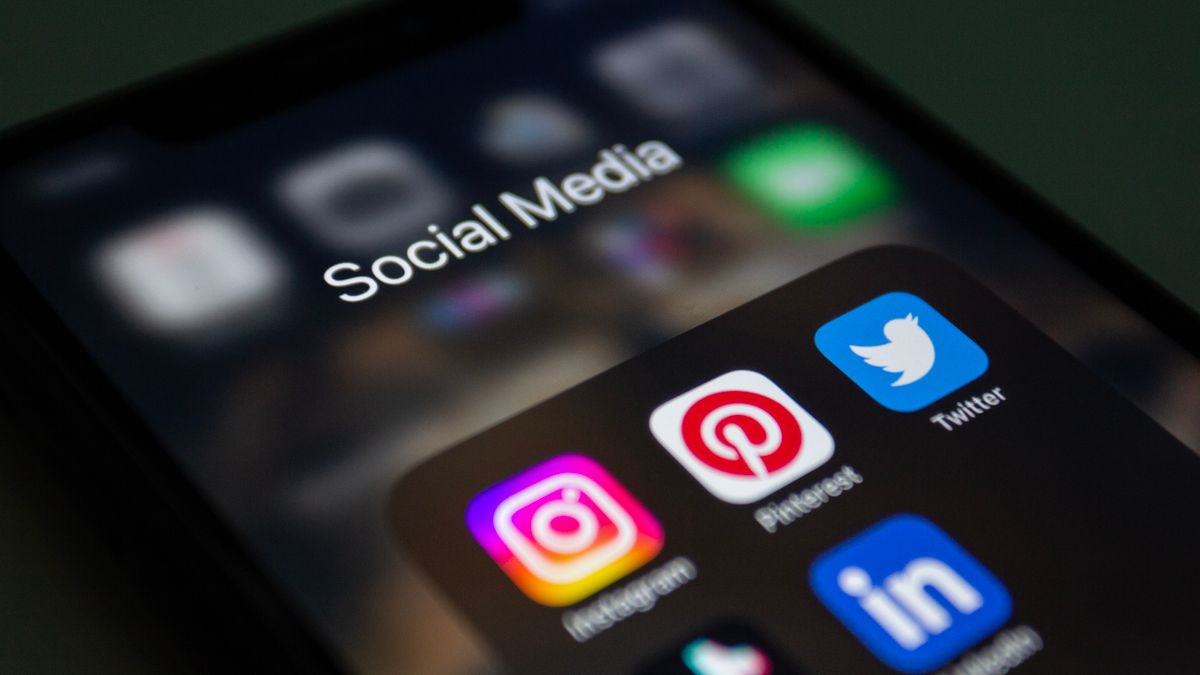
Not every social platform treats GLP-1 content the same way, and the differences matter more than most affiliates realize. Some platforms are built for direct-response ads, others reward long-form trust-building, and a couple sit somewhere in between. Here's how the major platforms actually compare for this niche right now.
YouTube: Best for Trust-Building Long-Form Content
YouTube remains one of the strongest platforms for this niche because search intent and video length allow for genuine education before any pitch. A 10-minute video explaining how GLP-1 treatment works builds far more trust than a 15-second ad ever could.
- Long-form explainer content ranks well in both YouTube and Google search
- Lower ad-account risk since much of this traffic can be organic rather than paid
- YouTube Shorts offers a lower-commitment format to test hooks before investing in long-form
TikTok: Fastest Growth, Highest Content Turnover

TikTok's algorithm favors volume and consistency over polish, which makes it one of the fastest ways to test angles and reach new audiences. It also carries real content-policy nuance for health topics that shifts periodically.
- Short, educational hooks about the GLP-1 shift tend to outperform sales-style content
- Organic reach can still happen without an ad account, reducing flagging risk
- Health content policies here change more frequently than on other platforms, so check current guidelines before posting
Instagram: Strong for Visual Trust and Retargeting
Instagram works well as a supporting platform, especially for retargeting people who've already engaged with content elsewhere. Reels format overlaps significantly with TikTok-style short content.
- Reels can repurpose TikTok content with minor adjustments
- Stories work well for softer, relationship-building content rather than direct promotion
- Paid ads here fall under the same higher-scrutiny category as other Meta placements
Pinterest: Underused, Long Content Lifespan
Pinterest is often overlooked in this niche, but pins have an unusually long shelf life compared to other platforms, and the audience is actively searching with purchase or research intent.
- Pins linking to informational blog content can drive traffic for months after posting
- Lower competition than TikTok or Instagram for this specific niche currently
- Works especially well paired with a blog or landing page rather than a direct link
Reddit and Quora: Best for High-Intent, Skeptical Audiences
These platforms reward genuinely useful answers over promotional content. Done right, a well-answered question about GLP-1 treatment can drive consistent, high-intent traffic for years.
- Value-first answers with a natural mention of resources outperform anything that reads as an ad
- Audiences here are especially skeptical of hype, rewarding honest, balanced information
- Requires patience — building credibility on these platforms takes longer than paid channels
Facebook: Highest Reach, Highest Scrutiny
Facebook still has enormous reach for this audience demographic, but it also carries the highest compliance scrutiny of any platform covered here, due to years of aggressive health and weight-loss ad abuse across unrelated niches.
- Automated ad review is particularly sensitive to outcome-based claims and before-and-after imagery
- Organic group and community engagement carries far less risk than paid ads
- Best used with strict adherence to pre-approved compliant messaging
The strongest 2026 strategy isn't picking one platform. It's using YouTube and blog content for trust, TikTok and Pinterest for discovery, and Reddit or Quora for high-intent conversions — with paid social as a smaller, carefully managed slice of the mix.
Platform Comparison at a Glance
| Platform | Best For | Compliance Risk |
|---|---|---|
| YouTube | Trust-building, long-form education | Low |
| TikTok | Fast discovery, short hooks | Moderate, shifting policies |
| Retargeting, visual trust | Moderate-high | |
| Long-lifespan discovery traffic | Low | |
| Reddit/Quora | High-intent, skeptical audiences | Low |
| Reach, community engagement | High for paid ads |
Common Mistakes When Choosing Platforms
Mistake #1 — Posting identical content across every platform. Each platform rewards a different format and tone; copy-pasting the same post everywhere underperforms on all of them.
Mistake #2 — Ignoring platform-specific policy updates. Health content rules shift periodically, especially on TikTok and Meta platforms. What worked last quarter may not work today.
Mistake #3 — Overlooking low-competition platforms like Pinterest and Reddit. Everyone crowds into TikTok and Facebook; the less obvious platforms often have less competition for the same audience.
Frequently Asked Questions
YouTube and Pinterest generally carry the lowest compliance risk, since much of the traffic can be organic and search-driven rather than dependent on paid ad review.
Most affiliates get better results mastering two or three platforms with complementary strengths, such as YouTube for trust and TikTok for discovery, rather than spreading thin across all of them.
Yes, particularly for organic community engagement, but paid Facebook ads carry the highest compliance scrutiny of the platforms covered, so approach that channel carefully.
These platforms attract highly skeptical, high-intent audiences who respond well to genuinely useful information, and well-ranked answers can drive consistent traffic for years.
Post a Comment