

You've never bought a red car in your life. So why do you suddenly see them everywhere?
Ever notice how, right after you decide you want a specific car, that exact model suddenly seems to be parked on every street corner? It's not a coincidence, and it's not the universe sending you a sign. It's a walnut-sized bundle of neurons at the base of your brainstem — and the same mechanism that filters cars is, right now, deciding which financial opportunities you notice and which ones pass you by completely without you ever knowing they existed.
Quick answer: The Reticular Activating System (RAS) is a bundle of neurons in the brainstem that filters the roughly 11 million bits of information hitting your senses every second down to the handful your conscious mind actually notices. It prioritizes information that matches your existing beliefs, goals, and emotional patterns — which means it can be trained to filter for financial opportunity instead of scarcity.
What Is the Reticular Activating System, Exactly?
The reticular activating system is a real, physical structure — not a metaphor borrowed from self-help. It sits at the base of the brainstem and acts as a gatekeeper between the outside world and your conscious awareness. Your senses take in an estimated 11 million bits of information per second, but your conscious mind can only process about 40 to 50 bits per second. The RAS is what decides, in real time, which of those millions of signals are worth your attention — and which get discarded before you're ever aware they existed.
This is precisely why neuroplasticity matters so much for income — the RAS doesn't filter randomly. It filters based on patterns your brain has already decided are important, which means the filter itself can be retrained.
The Red Car Test: Proof Your Brain Filters Reality
The "red car phenomenon" is the most-cited example in psychology for a reason — it's something almost everyone has personally experienced. The moment you become interested in a particular car, model, or color, your brain flags it as relevant. Every red car on the road was always there. Your RAS simply wasn't tagging them as worth noticing before.
Here's the part most people miss: this same mechanism runs on money. If your RAS has been trained — often since childhood — to flag scarcity, risk, and "we can't afford that," it will keep serving up evidence that confirms exactly that belief, while filtering out the opportunities sitting in plain sight.
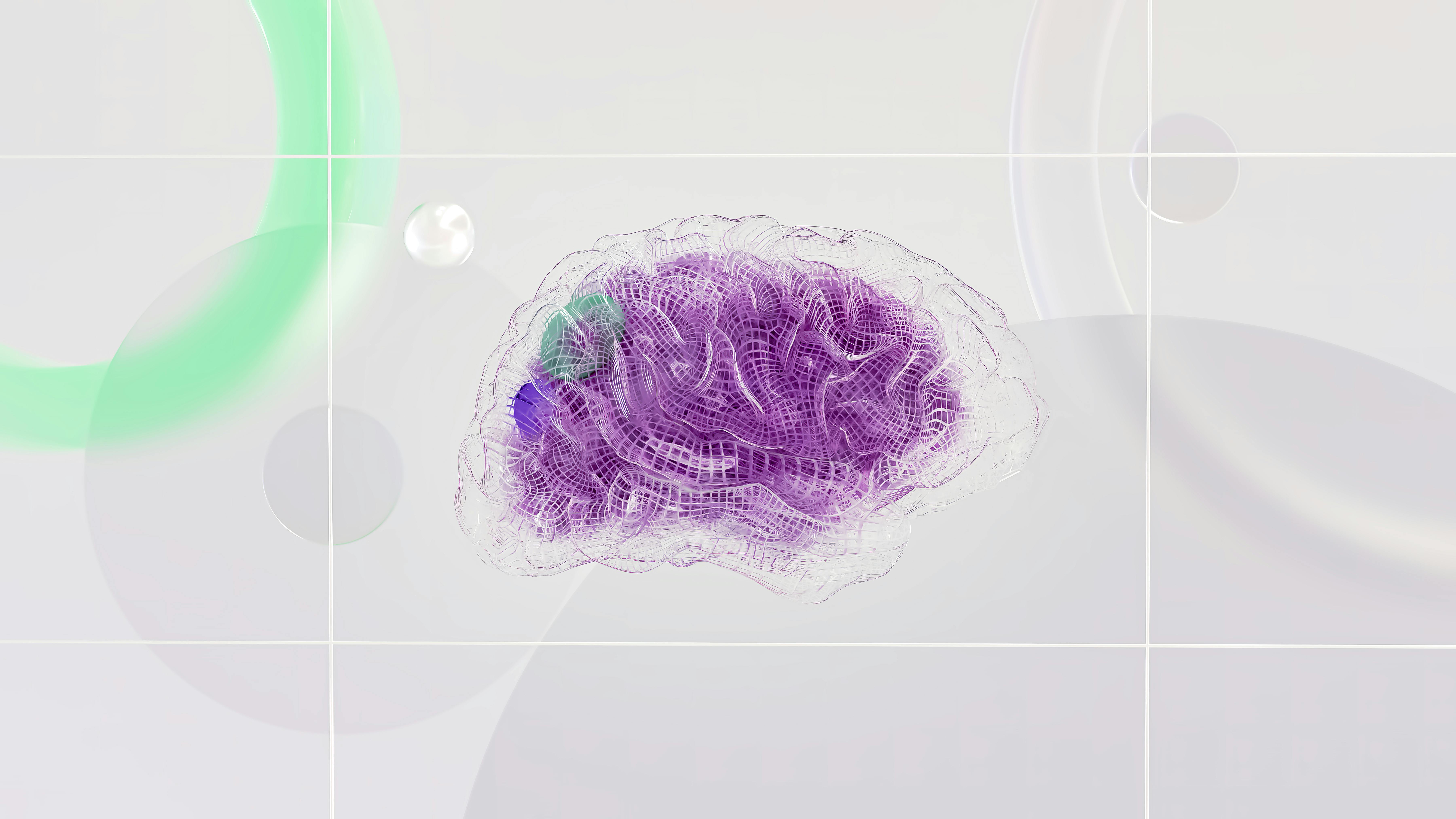
How Your RAS Decides What's "Money-Relevant"
The RAS doesn't evaluate information logically — it pattern-matches against three things: what you repeatedly think about, what carries strong emotion, and what you've explicitly labeled as a goal. This is the same mechanism behind how limiting beliefs quietly sabotage your income — a belief formed early in life doesn't just sit passively in the background. It actively shapes what your RAS lets through the gate every single day.
This also explains a pattern covered in how childhood money memories secretly control your wallet — the earliest financial beliefs you absorbed didn't just create a feeling. They trained your RAS on what to look for, and it's been running that same search ever since.
Why Every Brain Expert and Podcast Keeps Coming Back to This
If you've noticed the reticular activating system mentioned constantly across mindset podcasts and brain-training programs, that's not hype — it's because it's one of the few concepts in this space with a direct, unambiguous physiological basis. Unlike vaguer ideas about "vibration" or "energy," the RAS is documented anatomy. That's exactly why voices like John Assaraf build entire frameworks around training it deliberately, rather than leaving it to run on outdated, childhood-installed settings.
It also explains a pattern from the psychology of money and why we make irrational financial decisions — many of those "irrational" choices are simply your RAS surfacing the options it was trained to notice, while filtering out the ones it wasn't.
5 Signs Your RAS Is Filtering Out Financial Opportunity
- You "can't see" the opportunity even when it's pointed out. A colleague mentions a side income idea and it barely registers — while a reason it "wouldn't work" comes to mind instantly.
- You notice risk before you notice upside. Every new opportunity gets scanned for what could go wrong before what could go right.
- You forget financial advice almost immediately. Information that doesn't match your existing filter tends to slide right past without sticking.
- You feel resistance you can't explain. A vague, wordless discomfort shows up around raising prices, negotiating, or asking for more — a strong sign the RAS is flagging it as "not for people like me."
- You keep landing in the same income range. This connects directly to the financial thermostat effect — your RAS is simply continuing to filter for the range it was trained to expect.
How to Reprogram Your RAS for Financial Opportunity
Step 1 — Give it a specific target
Vague goals like "make more money" give the RAS nothing to search for. A specific number, outcome, or opportunity type gives it an actual search query to run.
Step 2 — Attach real emotion to the target
The RAS prioritizes emotionally charged information. Visualizing the goal with genuine feeling — not just thinking the words — signals it as high priority.
Step 3 — Review the target daily
Repetition is what moves a goal from a passing thought to an active filter setting. A daily written or spoken review keeps it front-of-queue.
Step 4 — Act on the small signals it surfaces
Once the RAS starts flagging opportunities, following through — even on small ones — reinforces to the brain that this filter setting is worth keeping active.
Step 5 — Audit your language
Phrases like "I could never" or "that's not realistic for someone like me" are direct instructions to your RAS about what to filter out. Notice and interrupt them.

Why This Matters More Than Another Budgeting Tip
A budget can only work with the opportunities and information your brain actually lets through. If your RAS is still filtering for scarcity, no spreadsheet will show you the raise you didn't ask for, the client you didn't pitch, or the skill you dismissed as "not worth learning." This is the same underlying gap explored in why schools never taught you about money — financial education without addressing the filter behind it only gets you so far, and it's echoed in the daily patterns behind the money habits rich people practice consistently.
Frequently Asked Questions
Yes. The RAS is a well-documented network of neurons in the brainstem, established in neuroscience and studied for decades in relation to attention, arousal, and sensory filtering — it is not a self-help concept.
The RAS filters based on repeated, emotionally reinforced patterns, which is a mechanism distinct from simply "thinking positive." Deliberate, repeated, specific focus is what shifts what it prioritizes over time.
This varies by individual, but consistent daily practice over several weeks is generally what's needed for a new filter pattern to become noticeably active, rather than a single session.
No. The RAS explains why you notice more of what you focus on through a documented attention mechanism — it does not claim that focused thought physically attracts outcomes from the environment.
Post a Comment