

The tools didn't get smarter overnight — they got accessible overnight. That's the real shift. Photo via Pexels.
Every online business era has had a gatekeeper skill — the one thing that separated people who could start from people who just talked about starting. For years, it was coding. Then it was paid ads expertise. Then it was copywriting. In 2026, that gatekeeper is quietly disappearing, and that's the real story behind the phrase getting stamped across every Side Hustle Summit ad: AI's unfair advantage.
THE TECHNICAL BARRIER THAT USED TO STOP MOST BEGINNERS HAS SHRUNK FASTER THAN AT ANY POINT IN THE LAST TWO DECADES
What "Unfair Advantage" Actually Refers To
It's tempting to read "unfair advantage" as a secret trick — some hidden lever only insiders know about. It isn't. It's a description of a genuine shift: tasks that used to require hiring a specialist, or spending months learning a craft, can now be drafted, tested, and refined by a beginner with the right AI tools in a fraction of the time. That's not a loophole. It's a tool category maturing quickly.
The advantage is "unfair" only in the sense that someone starting today has resources someone starting in 2015 simply didn't have — the same way anyone starting a business today has an unfair advantage over someone starting in 1995 without the internet.
The Three Failure Points AI Has Genuinely Closed
Ask any experienced online entrepreneur why most beginners quit before their first sale, and the answers cluster around three recurring points. Here's how AI tools have changed each one:
| Old failure point | Why it stopped people | What's changed |
|---|---|---|
| Writing that converts | Most beginners can't write persuasive sales copy from scratch | AI drafts and refines copy in minutes, giving a usable starting point |
| Technical setup | Building a website, funnel, or landing page required coding or hiring | AI-assisted builders let beginners launch without touching code |
| Research paralysis | Choosing a niche or offer took weeks of scattered research | AI-assisted research condenses that into hours, not weeks |
None of this means starting online is now guaranteed to work. It means the three most common reasons people never even finished setting up — before AI existed — are largely solved problems now. What's left is the part that was always going to be the real work anyway: judgment, consistency, and decision-making.
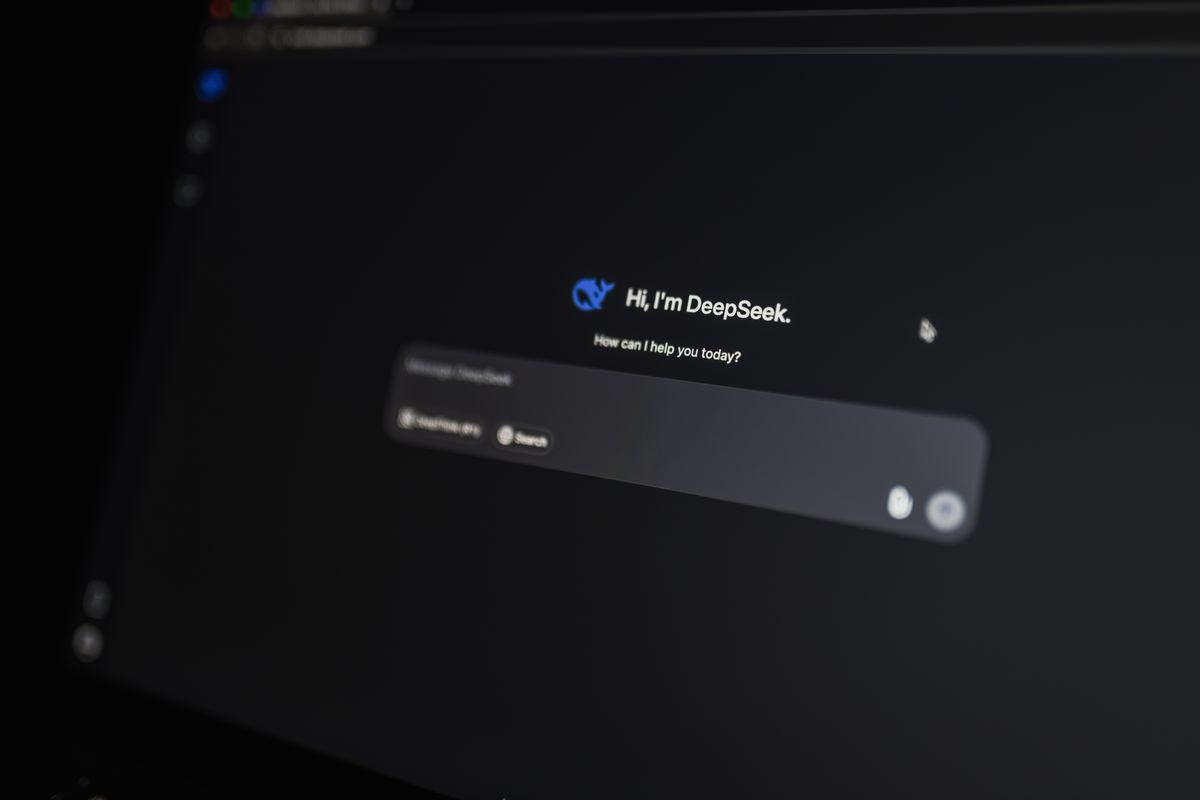
The interface changed. The need for good decisions behind it didn't. Photo via Pexels.
Is the Opportunity "Saturated" Already?
This is one of the most searched fears around AI-powered side hustles right now, and it deserves a straight answer: saturation happens at the idea level, not at the execution level. If ten thousand people use the same AI tool to write the same generic offer, that specific offer gets crowded fast. But the tool isn't the differentiator — the specificity of who you're serving and how you communicate it still is, exactly like it always has been in marketing.
In other words: "everyone has access to AI now" is true and mostly irrelevant. Everyone has always had access to a laptop and an internet connection too. Access was never the differentiator. Execution and positioning still are.
AI lowered the floor for starting. It did not raise the ceiling for winning without effort. Both statements are true at the same time.
What "Unfair Advantage" Does Not Mean
- It does not mean AI picks your niche or offer for you with no input.
- It does not mean results are instant just because setup is faster.
- It does not mean the market is free of competition — it means the entry cost dropped.
- It does not replace the judgment calls that separate a working business from a stalled one.
Who Genuinely Benefits From This Shift
- Beginners who were previously blocked by technical skills, not ideas.
- People with limited time who need to move from idea to launch faster.
- Anyone comparing a faceless, AI-assisted model against a content-creator-heavy one.
- People willing to still do the thinking work AI can't do for them.
The honest summary: AI's unfair advantage is a real, measurable shift in how fast a beginner can go from zero to a working system. It is not a guarantee of income, and it doesn't eliminate competition — it changes what beginners are actually competing on.
Frequently Asked Questions
It refers to AI tools handling tasks — copywriting, technical setup, and research — that used to require hired expertise or a long learning curve, lowering the barrier for beginners to start.
Generic, copy-paste offers built with AI can get crowded quickly. Specificity and positioning still differentiate a business, the same way they always have, regardless of tool access.
Weak sales copy, technical setup barriers, and research paralysis when choosing a niche. AI tools have significantly reduced friction in all three areas.
No. AI speeds up execution and setup, but judgment, consistency, and decision-making still determine whether a business succeeds.
Post a Comment