

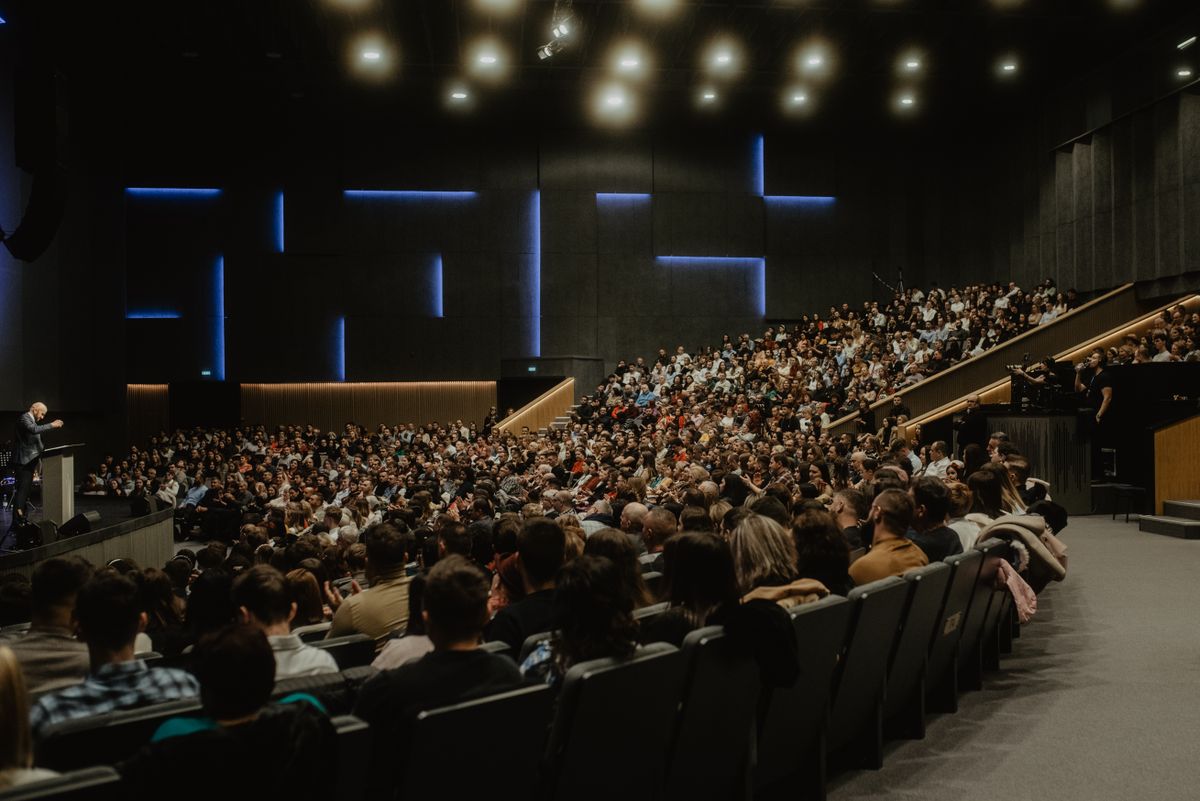
Most seats at a free webinar end up looking exactly like this by the time it starts
Free webinars aren't a bad idea. They're a structurally weak one. Not because the content is wrong or the presenter isn't skilled, but because the format itself is built on a foundation that quietly works against it from the moment someone clicks "register." Understanding exactly where that structure breaks down is the fastest way to see why a paid, live challenge avoids the same trap entirely.
Quick answer: Free webinars fail structurally because registration requires no commitment, which means most registrants never show up and many who do leave before the value is delivered. Paid live challenges, like The ClickBank Profit Challenge, avoid this by requiring a small upfront decision that filters for people who actually intend to participate, then building a real result across multiple days instead of a single sales pitch.
Where Free Webinars Actually Break Down
It's tempting to blame a specific webinar's failure on a weak headline or a boring presenter. Sometimes that's true. But the deeper problem sits underneath all of that, baked into the format itself, regardless of how good the content or delivery might be.
Zero cost of registering means zero cost of skipping it
A one-click, free signup requires no real decision, which means there's nothing keeping someone committed to actually showing up later.
The gap between registration and the live date
Days or weeks often pass between signing up and the event itself, giving plenty of time for the reminder to get buried and the intent to fade.
A single point of failure
Everything rides on one live session. Miss it, and there's often no real path back into the material without a replay that gets watched even less than the live version.
The pitch feels like a shift in tone
Even attendees who do show up often mentally check out the moment free teaching turns into a sales pitch, because nothing before that point signaled they were making a purchase decision.
Why Paid, Live Challenges Don't Share the Same Weak Points
A paid, multi-day challenge structure fixes each of these failure points directly, not by accident, but because the format itself removes the conditions that caused them.
A small payment filters for real intent
Parting with even a modest amount of money is a genuine decision. People who make that decision behave differently than people who clicked a free registration button on a whim.
Three days instead of one moment
Missing part of one session doesn't mean missing the entire experience. There's room to catch up and stay engaged across multiple touchpoints instead of a single all-or-nothing event.
Value and outcome are the same event
Because the goal is building an actual funnel across three days, there's no jarring shift from "free content" to "now buy something." The entire event is the outcome.
A structured system, not a single pitch
Any additional offers presented along the way appear inside a broader structure participants are already engaged in, rather than as the entire point of the session.
The Same Psychology, Applied Consistently
None of this is a trick unique to one event. It's simply what happens when a format is built around genuine commitment instead of frictionless, disposable sign-ups. The ClickBank Profit Challenge applies this directly: a small entry ticket creates the initial commitment, and the three-day structure keeps that commitment intact all the way through to a completed, working funnel.
One honest note
A paid, structured event improves the odds that participants stay engaged and finish with something real. It doesn't remove the need to actually show up and do the work across the three days. The structure removes the format's weaknesses; it doesn't remove the effort required from you.
Live 3 days · October 6, 7 & 8 · Built to keep you engaged, not just registered
The Track Record Behind the Format

9 Years of ClickBank Platinum Status
John Thornhill has been awarded ClickBank Platinum vendor status — the platform's top tier — nine separate times, including every year from 2020 through 2026. Over 14 years on ClickBank, he's refined this exact live-event format with more than 14,449 members, building around real commitment instead of disposable free sign-ups.
Frequently Asked Questions
Both matter, but the format sets the ceiling. Even excellent content struggles against a structure where registering requires zero commitment and the entire outcome depends on one single live moment.
No system can guarantee follow-through. What a paid, multi-day structure does is remove several of the specific weaknesses that make free webinars easy to abandon, improving the odds without eliminating the need for personal effort.
Spreading the event across three days means missing part of one session doesn't mean missing everything, and it allows a real funnel to be built progressively rather than rushed into a single hour.
The underlying structural advantages apply to paid, committed formats generally. John Thornhill's version applies them specifically through a done-for-you funnel built for beginners.
No. The Challenge is built for complete beginners, and the structural advantages of a paid, multi-day format apply regardless of prior experience level.
Stop Registering for Things You Won't Finish
A live, 3-day structure built around real commitment, not another free session that ends up ignored.
Join The ClickBank Profit Challenge
Post a Comment